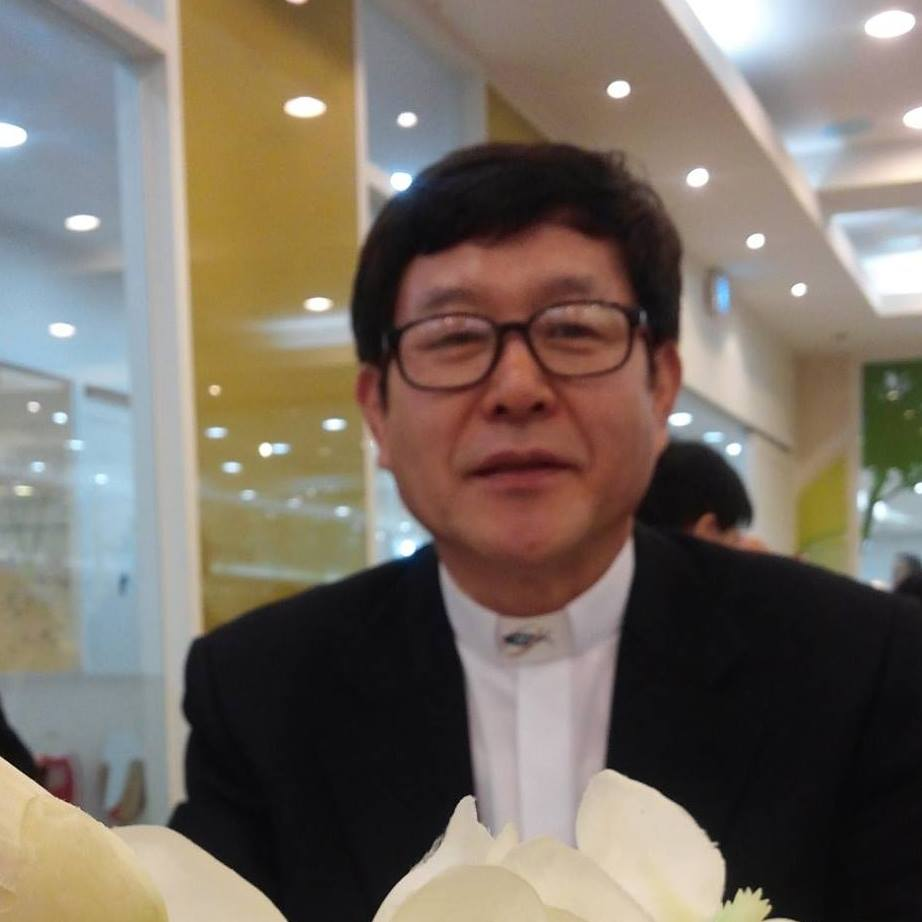
Im Hong-taek
Former Professor, Seoul National University of Culture and Arts
The Cultural-Historical Significance of the Body Culture of Northern Communities
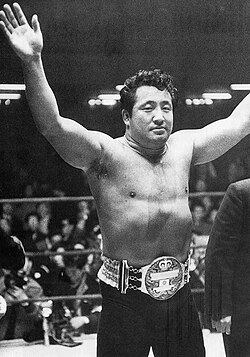
Rikidozan (Kim Shin-rak) is widely known today as a symbolic figure of Japanese professional wrestling.
However, the fact that he hailed from Hongwon, South Hamgyong Province, and that his upbringing was connected to the traditional physical culture environment of the northern Korean Peninsula, has not been sufficiently highlighted.
In traditional society, physical culture did not exist in a form where sports, martial arts, games, dances, and community rituals were clearly distinguished as they are today.
Particularly in northern regions such as Hamgyeong-do and Pyeongan-do, records remain in oral tradition and local memory of community-based wrestling (ssireum), hand-clapping (son-chigi), and body-movement-centered games and physical activities being transmitted in a form integrated with daily life culture.
Recently, some researchers and practitioners of traditional culture have raised interest in the potential cultural connections to the physical culture of the Hamgyeong-do region that Rikidozan left behind during his lifetime.
Of course, one must be cautious in concluding that this is merely a technical lineage or a direct transmission relationship.
However, I believe that viewing the physical culture environment that existed in the local community at the time as a subject of research holds significant academic value.
In particular, in the Hamgyeong-do region, memories of a wrestling culture without a sash—known today as “Mindung-ssireum”—and movements centered on hand striking coexist, remain in some community traditions.
This can be understood as one example demonstrating that traditional Korean physical culture existed in a complex manner within local community environments, rather than being centered on a single discipline.
Today, traditional physical cultures such as Northern-style wrestling are maintained by limited communities and a select few inheritors.
At the same time, instances have been identified where certain movement cultures and modes of physical expression have been transmitted through overseas Korean diaspora communities.
In this context, re-examining the figure of Rikidozan not merely as a figure of professional wrestling, but in conjunction with the traditional physical culture environment of the Hamgyeong-do region where he grew up, can open up new possibilities for the study of traditional physical culture.
Traditional physical culture is not merely a sports technique; it is a living cultural heritage that embodies community memory, historical experiences, and the cultural-historical traces of human movement.
There is a need for more active documentation and international research regarding the disappearing Northern traditional physical culture.
© 2026, 편집부. All rights reserved. 모든 콘텐츠(기사)에 대한 무단 전재ㆍ복사ㆍ배포 등을 금합니다.